
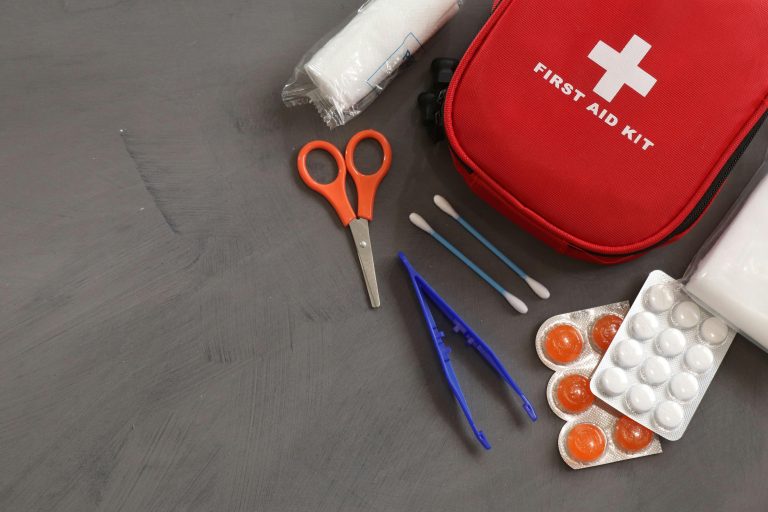
As pet owners, we do everything we can to keep our dogs safe, happy, and healthy. But accidents happen, whether it’s a cut paw from a backyard adventure, an allergic reaction, or something more serious. Being prepared with a well-stocked pet emergency kit can make all the difference in those critical moments.
Here’s what every dog owner should know about pet first aid and how to build a reliable emergency kit.
Why a Pet Emergency Kit Matters
Dogs are naturally curious and lets face it, sometimes a little reckless. From stepping on sharp objects hidden in the yard to eating something they shouldn’t, emergencies can happen fast. Having the right supplies on hand allows you to respond immediately, and potentially prevent a minor issue from becoming a major one. But what should you keep on hand in your pup first aid kit.
Must-Have Items for Your Pet First Aid Kit
A solid pet emergency kit doesn’t have to be complicated—but it does need to be complete. Here are the essentials:
Basic First Aid Items
- Gauze pads and rolls
- Adhesive tape
- Antiseptic wipes or spray
- Hydrogen peroxide (3%) (Only use if directed by a vet to induce vomiting. ONLY IF DIRECTED BY A VET!)
- Antibiotic ointment (pet-safe)
Tools
- Tweezers
- Scissors (blunt tip)
- Digital thermometer (rectal) Did you know that a Normal dog temp is 101–102.5°F! No wonder they are like heating blankets to us.
- Disposable gloves
Medications & Preventatives
- Benadryl (diphenhydramine)
- Saline solution
- Activated charcoal
Comfort & Safety Items
- Muzzle or soft restraint – Even the gentlest dog may bite when in pain. Trust me….I know.
- Leash and spare collar
- Towel or blanket – For warmth or to stabilize an injured pet
Important Information
- Your veterinarian’s phone number
- Nearest emergency vet clinic
- Pet poison control hotline (ASPCA: 888-426-4435)
- Your dog’s medical records and vaccination info
Many pet injuries start right in the backyard. Sharp debris, falls off a porch, twisted ankle from playing too hard. Not to mention the bacteria/parasite that can be picked up from dog waste. Remember a first aid kit is meant for immediate care and small things you can handle, not a replacement for professional help. Always contact your veterinarian if your dog:
- Has heavy bleeding or deep wounds
- Shows signs of poisoning (vomiting, seizures, lethargy)
- Has difficulty breathing
- Experiences trauma (hit by car, fall, etc.)
- Or for any reason you are unsure of
Final Thoughts
Emergencies are stressful but preparation gives you control. A well-stocked pet first aid kit, combined with the knowledge on how to use it. Sets your dog up for a healthier life and less stressful you.