
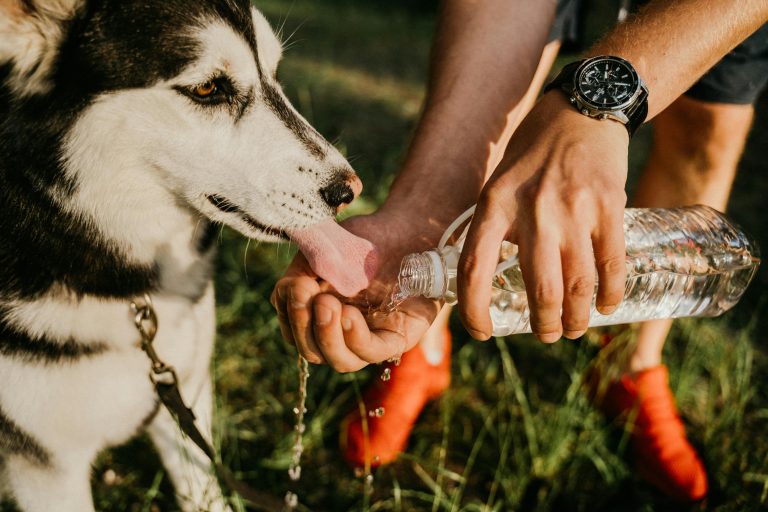
Water is essential to your dog’s health, yet dehydration is one of the most common, and often overlooked, issues pet owners face. Knowing how to recognize and prevent it can help you avoid serious health complications.
What Is Dog Dehydration?
Dehydration occurs when your dog loses more fluids than they take in, just like a human. This imbalance affects critical functions like circulation, digestion, and body temperature. Even mild dehydration can quickly become serious if ignored.
Common Causes of Dehydration
Dogs can become dehydrated for several reasons, including:
- Hot weather or prolonged sun exposure
- Increased activity without enough water breaks
- Illness, especially vomiting or diarrhea
- Limited access to clean, fresh water
Dogs that spend a lot of time outside are especially at risk if their water source isn’t regularly refreshed.
Signs Your Dog May Be Dehydrated
Watch for these early warning signs:
- Lethargy or low energy
- Dry gums or nose
- Sunken eyes
- Loss of appetite
- Excessive panting
You can also try a simple skin test: gently lift the skin between your dog’s shoulders. If it doesn’t snap back quickly, dehydration may be a concern.
How to Prevent Dehydration
Prevention is simple and effective:
- Provide fresh, clean water at all times
- Bring water on walks and outings
- Offer shade during hot days
- Limit exercise during peak heat
A clean yard also helps. Dogs are less likely to relax or drink water in areas with strong odors or waste buildup. Keeping their environment fresh encourages healthier habits.
What to Do If Your Dog Is Dehydrated
For mild cases:
- Offer small amounts of water frequently
- Move your dog to a cool, shaded area
If symptoms worsen or don’t improve, contact your veterinarian right away. Severe dehydration may require professional treatment.
Dehydration can happen quickly, but it’s easy to prevent with a little awareness. Keep water accessible, monitor your dog’s behavior, and maintain a clean outdoor space.
A hydrated dog is a happy dog—and that’s what we all want.