
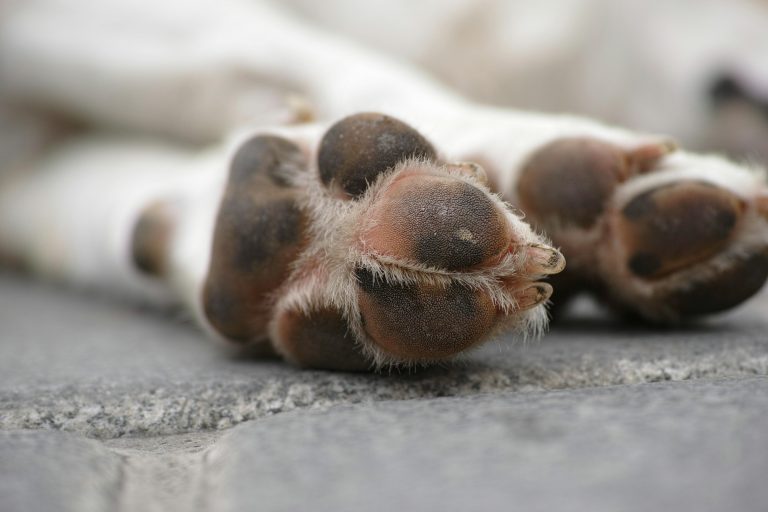
When temperatures drop, we bundle up in boots and coats, but our dogs rely on us to protect them from the harsh effects of winter. Cold weather, snow, and ice can all take a toll, leading to dryness, cracking, and discomfort to their paws. With a few simple steps, you can keep your pup’s paws healthy, happy, and ready for all the winter activities.
Watch Out for Ice and Salt
Sidewalk salt and chemical de-icers are among the biggest threats to your dog’s paws in winter. These substances can cause irritation, burning, or even chemical burns over prolonged contact. Plus, when your dog licks their paws after a walk, they could ingest toxins.
To protect your pet, try to stick to dog-friendly walking paths whenever possible. Also, after each walk, gently wipe your dog’s paws with a warm, damp cloth to remove salt, chemicals, and debris. It’s a small step that makes a huge difference. Plus, it feels good to warm them up after being in the cold.
Keep Paws Trimmed and Clean
Snow and ice tend to clump between your dog’s toes, especially if they have longer hair. These little ice balls can cause pain or force their toes apart unnaturally. Keep the fur around your dog’s paw pads neatly trimmed and nails clipped short. Clean paws also help prevent slipping on icy surfaces and reduce the buildup of dirt and bacteria.
Yes, Moisturize Regularly
Just like our hands, dogs’ paw pads can dry out and crack in cold weather. A quality paw balm or natural moisturizer can help keep them soft and supple. Look for products made specifically for pets, with ingredients like shea butter, coconut oil, or beeswax. Apply a thin layer before and after walks to create a protective barrier.
Try Dog Booties
If your dog tolerates them, booties can be a great way to shield their paws from the cold, especially if out for an extended amount of time. They prevent direct contact with ice, salt, and rough surfaces. Choose waterproof, non-slip booties that fit snugly without being too tight. It may take a few tries for your pup to get used to them. We’ve all seen the videos of the first time with a dog wearing them. Start with short sessions indoors and reward them for keeping them on. Increases
Warning Signs
Even with precautions, it’s important to regularly check your dog’s paws. Look for redness, swelling, cracks, or signs of discomfort like excessive licking or limping. Early detection helps prevent small issues from turning into painful injuries or infections. Remember dogs can get frost nip and frost bite, just like we can.
Don’t Forget Post-Walk Care
After winter walks, dry your dog’s paws thoroughly—especially between the toes. A quick towel dry helps prevent moisture buildup, which can cause irritation or fungal growth. Following up with a gentle massage using paw balm makes it both soothing and beneficial.
Cold weather doesn’t have to mean cutting back, or out, on outdoor adventures. With the right care, your dog can safely enjoy the snow while you enjoy peace of mind. By protecting their paws from salt, ice, and dryness, you’re helping your best friend stay comfortable all season long.